
What Is Nappa Leather? A Complete Guide
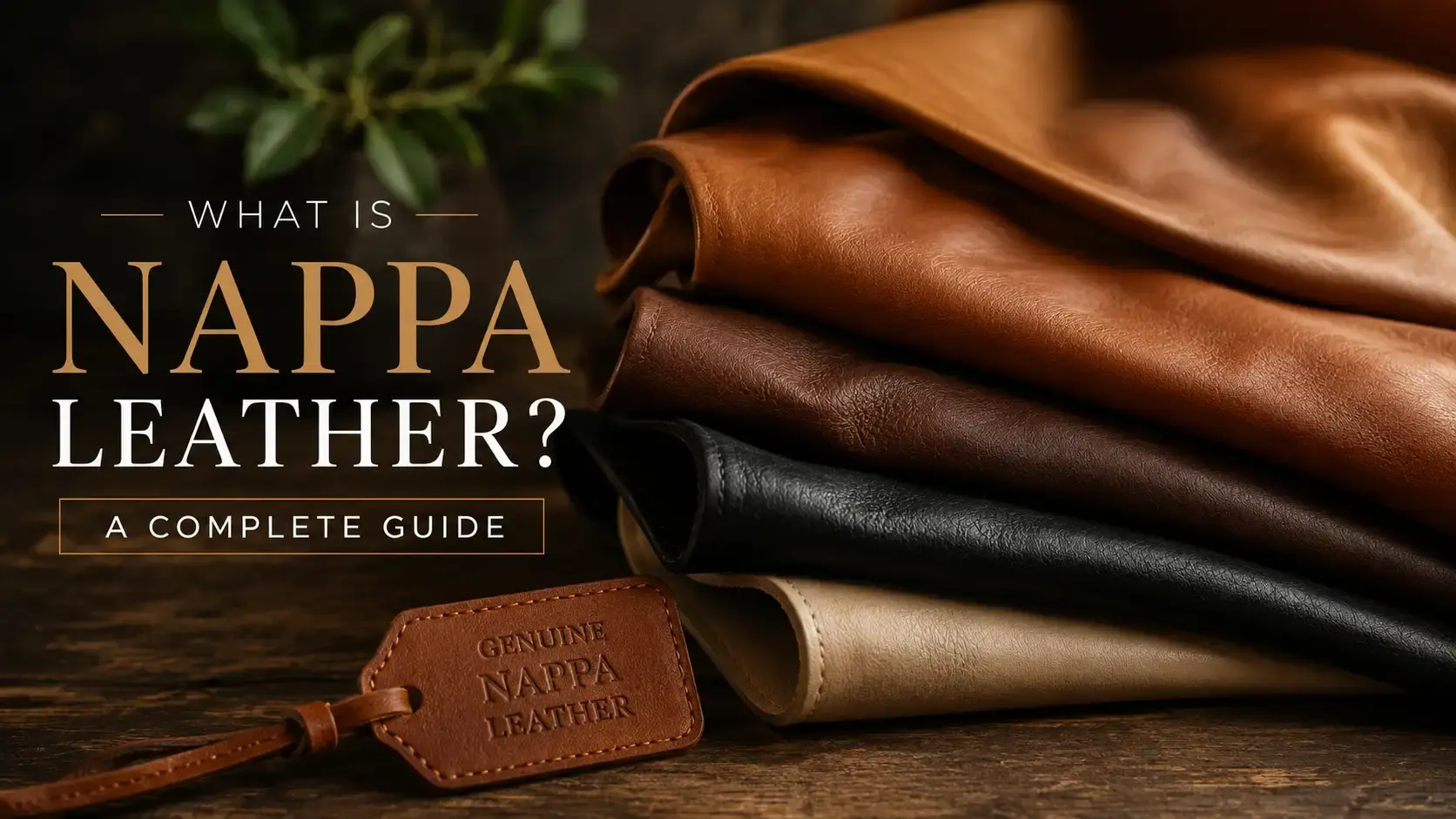
Table of Contents
- What Is Nappa Leather?
- History of Nappa Leather
- How Nappa Leather Is Made?
- Characteristics of Nappa Leather
- The Premium Hierarchy: Exploring the True Types of Nappa Leather
- Nappa Leather vs Genuine Leather
- Nappa Leather vs Faux Leather
- Advantages of Nappa Leather
- Disadvantages of Nappa Leather
- Common Uses of Nappa Leather
- How to Care for Nappa Leather?
- Is Nappa Leather Worth It?
- The Nappa Style Playbook: Blueprint for Effortless Edge
- FAQs
What is Nappa leather, really? It’s the kind of material that looks calm from across the room, then wins you over the second you touch it. Soft, smooth, and unmistakably premium, it’s one of those leathers people notice without always knowing why.
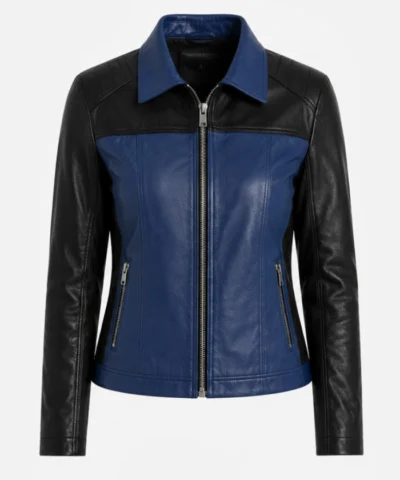
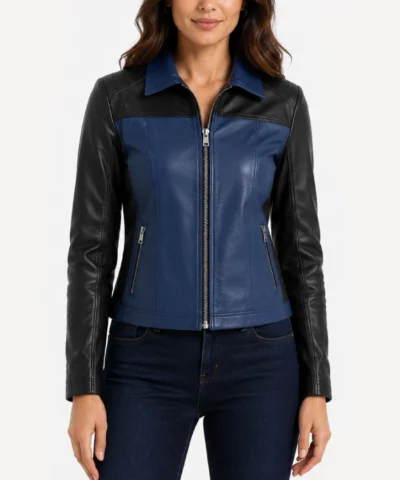
The Nappa leather is important for brands such as Las Vegas Jacket, because it combines style and comfort, naturally and not forced. It’s refined, but not fussy. And that balance is exactly why it keeps showing up in jackets, car interiors, bags, shoes, and luxury furniture.
If you’re trying to understand whether it’s worth the price, how it compares to other leathers, or what makes it different from affordable alternatives, you’re in the right place.
What Is Nappa Leather?
Nappa leather is sleek, velvety and simple to fall in love with from the first touch. Usually, it is created from hides or skins that have been treated correctly, so they will have that natural, rich feel and not become stiff or plastic-like. The surface feels buttery in the hand, and has a clean, polished aspect without too much gloss.
What really sets Nappa apart is how comfortable it feels. It doesn’t have the heavy, rigid feel some tougher leathers do. Instead, it moves nicely and wears beautifully, which is why it works so well for jackets, bags, shoes, and premium interiors.
That said, the term gets used pretty loosely, so not every product sold as Nappa leather is exactly the same. Still, when people talk about Nappa, they’re usually referring to a softer, more refined leather that feels luxurious straight away.
History of Nappa Leather
The name “Nappa” traces back to Napa, California, where the material was first associated with soft glove leather. Over time, the term spread beyond its original meaning and became linked with premium, full-feel leather used in high-end products.
As leather manufacturing evolved, Nappa became a style and quality reference as much as a specific material type. That’s part of why you’ll see it used in fashion, automotive, and upholstery categories. The name carried a reputation for softness, elegance, and comfort.
Today, people recognize Nappa leather less as a niche term and more as a shorthand for luxury. It signals a certain expectation before you even see the product. Soft. Smooth. Expensive-looking. That’s the reputation it built.
How Nappa Leather Is Made?
Manufacturers usually create Nappa leather through a tanning and finishing process that keeps the surface soft and natural. They commonly use chrome tanning because it maintains flexibility and gives the leather a smooth touch. Some manufacturers also apply finishes that preserve more of the hide’s original grain.
The hides are selected carefully, since the best Nappa usually comes from leather with a finer surface and fewer visible imperfections. That matters because Nappa tends to showcase natural texture instead of hiding it completely. You can often still see the character of the hide.
After tanning, the leather may be lightly treated or dyed to enhance color while keeping the material supple. The goal isn’t to make it look plastic or overly uniform. The goal is to keep it soft, rich, and premium.
Characteristics of Nappa Leather
Nappa leather is known for a few standout qualities that make it easy to recognize once you’ve handled it.
It’s soft. Very soft.
That’s the first thing most people notice.
It also has a smooth surface with a fine grain, which gives it a clean and elegant look. The leather tends to be supple rather than stiff, so it flexes and moves well with use. That makes it comfortable for jackets, seats and accessories that require both style and flexibility.
Another major trait is its premium appearance. Nappa is not usually rough and rugged like the heavier leather types. It’s a little more refined and polished in hand-feel, which is why you find it regularly utilized in premium products.
The Premium Hierarchy: Exploring the True Types of Nappa Leather
Nappa leather can appear in a few different forms depending on how it’s tanned, finished, or corrected.
- Full-Grain Nappa
This one leaves the natural grain of the hide intact. It’s often considered the highest-quality interpretation because it preserves the original surface and character of the leather.
- Semi-Aniline Nappa
Semi-aniline Nappa has a light protective finish added to the surface. That helps improve stain resistance and durability while keeping a fairly natural appearance.
- Aniline-Style Nappa
This type is dyed with minimal surface coating, so it keeps more of the leather’s natural look and feel. It’s usually the softest and most natural-looking, but also more delicate.
- Corrected Nappa
Some Nappa leather is lightly corrected to smooth out blemishes and create a more even finish. It still aims to keep the soft feel associated with Nappa, but may have a more uniform look.
Nappa Leather vs Genuine Leather
Nappa leather and genuine leather are not the same thing, and that difference matters.
Genuine leather is a broad category. This basically means that the product is manufactured from real leather, but doesn’t actually tell you much about the quality, suppleness or polish. Could come from the lower layers of the hide and might require a bit more processing.
The second type is Nappa Leather, which has a smoother finish, thinner grain and is softer and has a more premium feel. This is generally associated with higher-end products and a more luxurious feel.
So if you’re comparing the two, think of it like this: genuine leather tells you it’s real. Nappa leather tells you it’s meant to feel refined.
Nappa Leather vs Faux Leather
Faux leather tries to imitate the look of leather without using animal hide. It can be useful, especially if you are watching your spending or have vegan tastes. But it often doesn’t quite match Nappa leather for softness, natural grain or aging quality.
Nappa leather feels more organic because it is an organic material. It breathes better, conforms more naturally over time, and develops character with wear. Faux leather often looks consistent from day one, but that consistency can come with a less natural handfeel.
There’s also a difference in longevity. Good Nappa leather can hold up beautifully if cared for properly. Faux leather might be easier to wipe clean at first, but it can peel or crack over time.
Advantages of Nappa Leather
There are many advantages of using Nappa leather, and that is the reason why it is still so popular in premium markets.
- It feels soft and comfortable right away.
- Looks good and high-end.
- Perfect for jackets, car seats & accessories.
- Also, it often ages well.
- It provides a more natural feel than synthetics.
- It can be durable when properly maintained.
That mix of softness and elegance is the real draw. It doesn’t just look expensive. It feels expensive, too.
Disadvantages of Nappa Leather
Nappa leather isn’t perfect, and that’s worth saying plainly.
It can be more delicate than heavier, rougher leathers. Softer finishes may show scratches, stains and moisture more easily. And if you want it to look sleek over the years, it may require more regular upkeep.
Price is another factor. Nappa leather is usually more expensive than basic leather options. As it is perceived to be of higher quality and involves more complex processing. For some buyers, that’s worth it. For others, it’s a stretch.
Common Uses of Nappa Leather
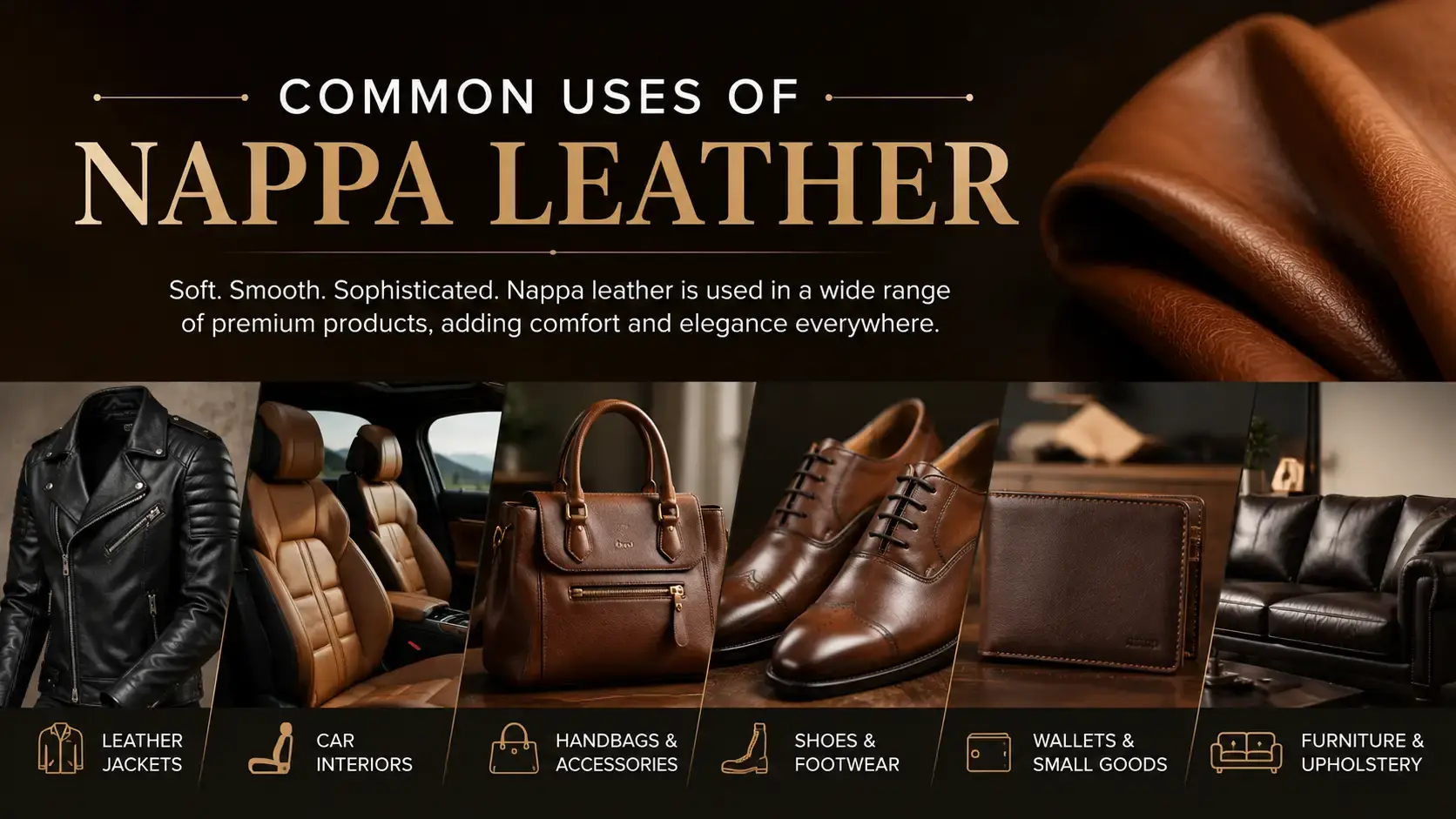
Nappa leather shows up in products where comfort and appearance both matter.
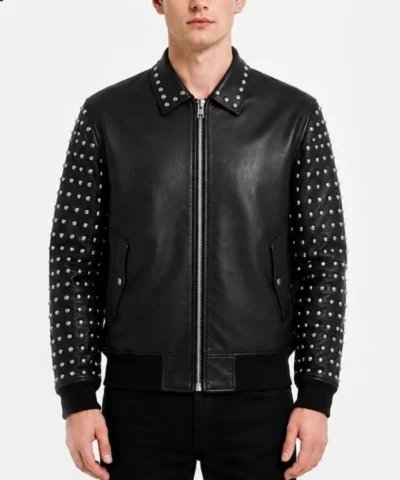
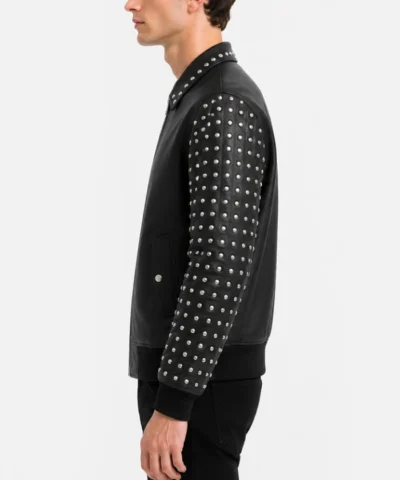
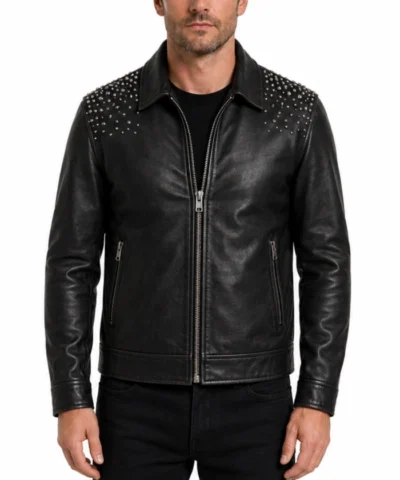
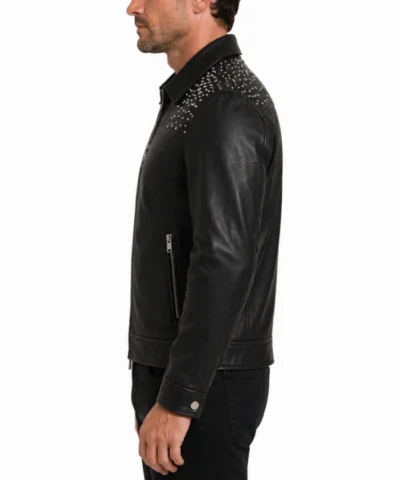
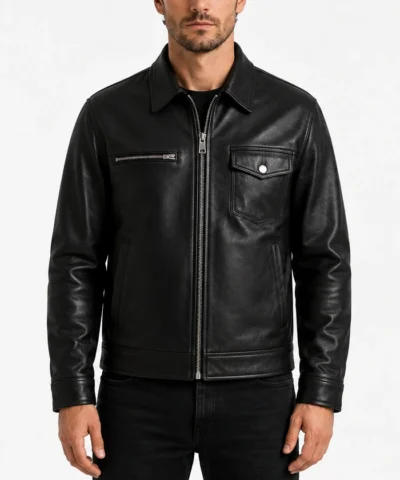
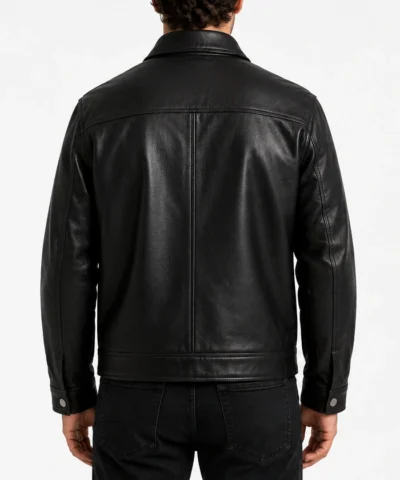
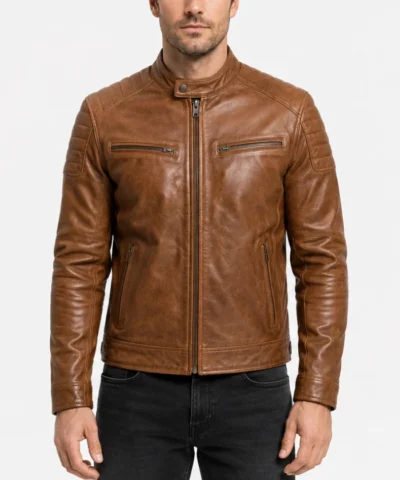
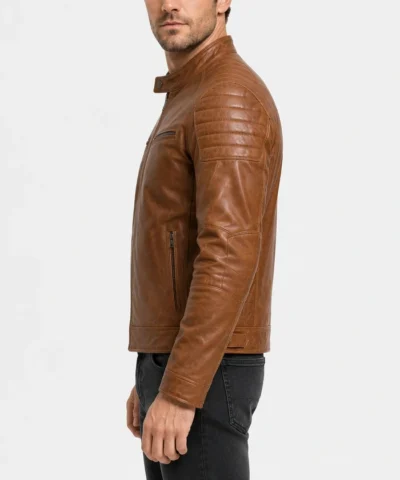
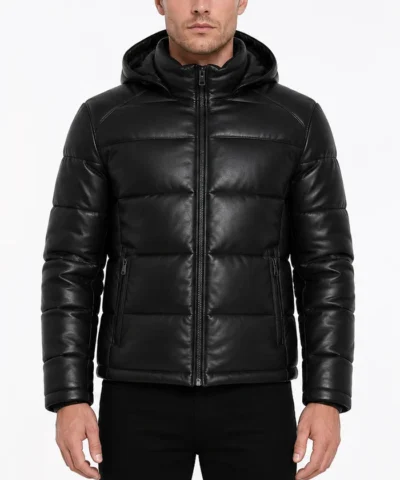
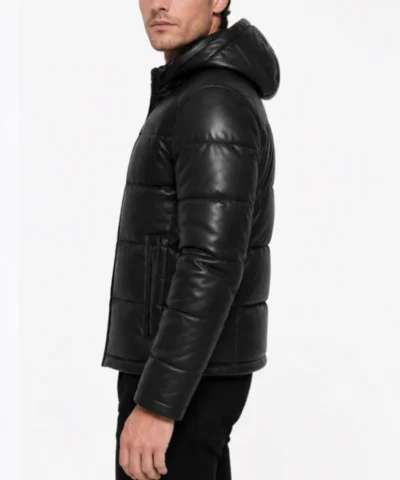
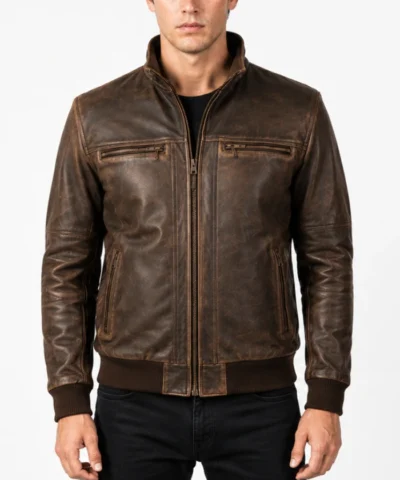
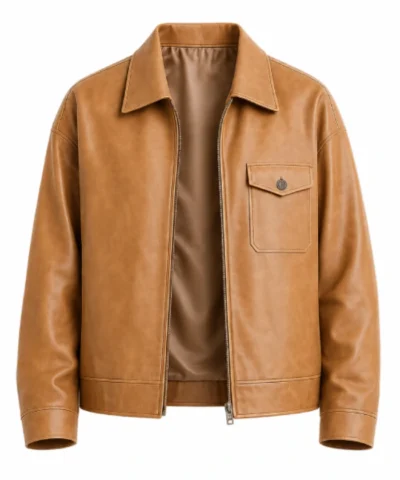
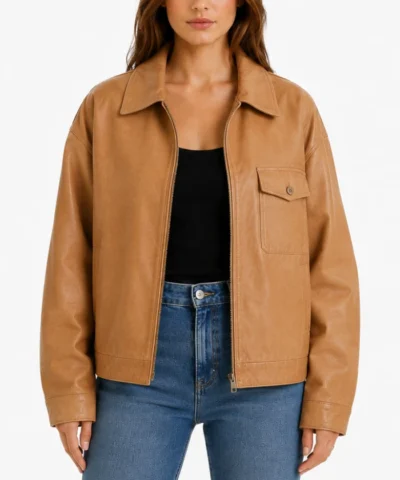
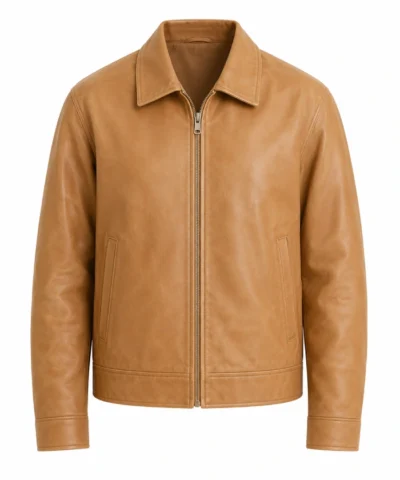
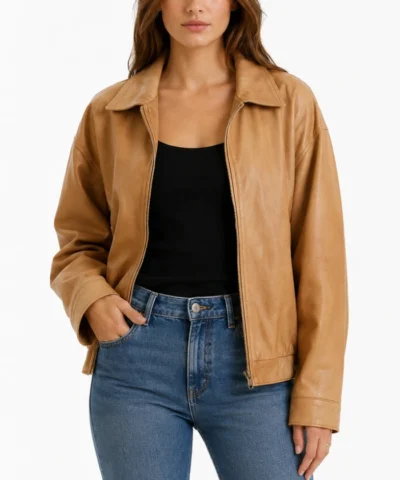
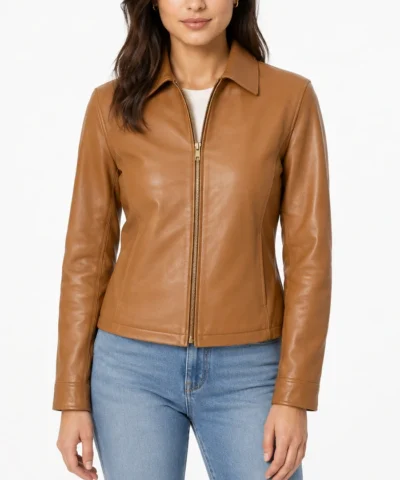
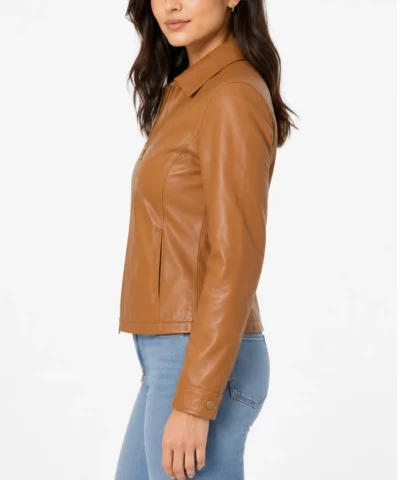
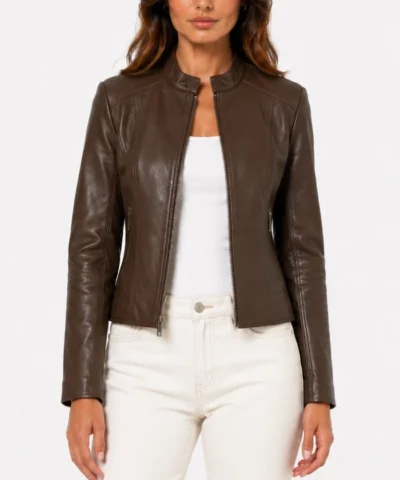
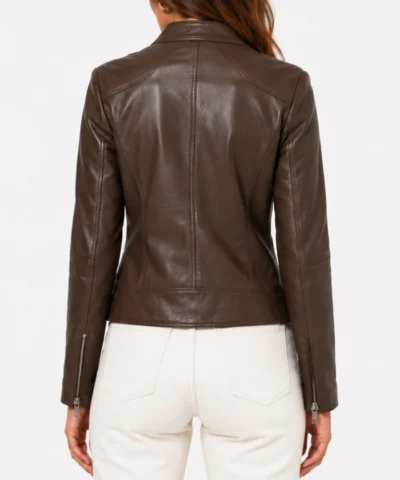
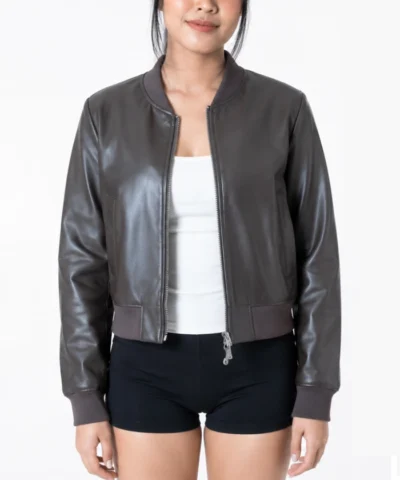
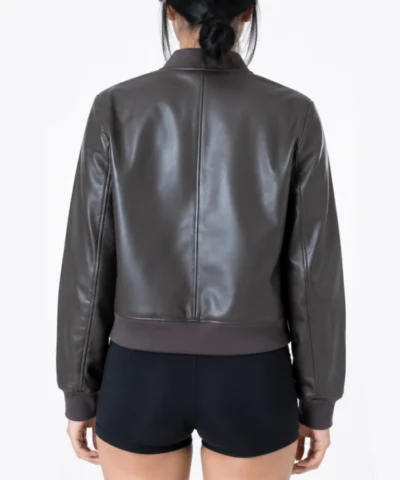
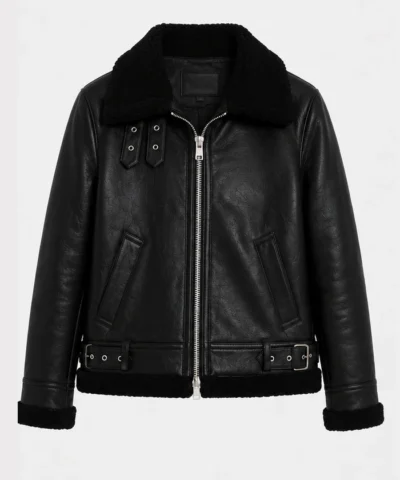
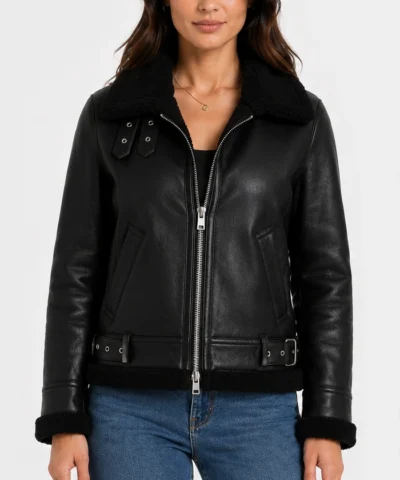
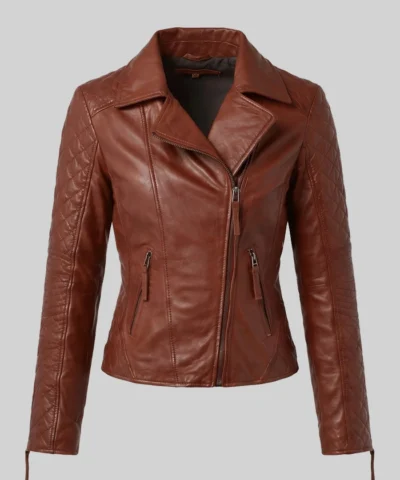
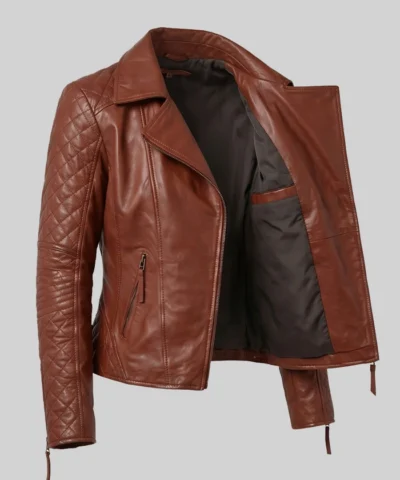
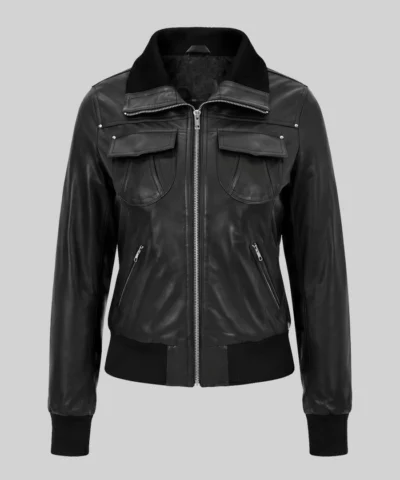
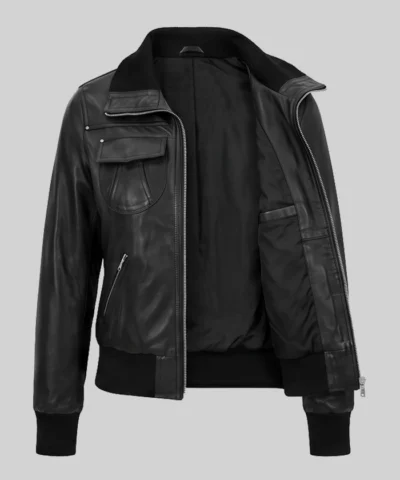
It’s popular in jackets because it drapes well and feels good against the body. It is popular for car interiors, especially for seats and steering wheel wraps, because it has a premium appearance but isn’t too stiff.
You’ll also find it in handbags, shoes, wallets, gloves, sofas, and upholstered furniture. In each case, the material does the same job: it makes the product feel elevated without screaming for attention.
That’s part of its appeal. Nappa leather doesn’t try too hard. It just looks right.
How to Care for Nappa Leather?
Caring for Nappa leather is mostly about staying gentle.
Wipe it with a soft, dry cloth to get rid of the dust and surface dirt. If it needs a deeper clean, use a leather-safe cleaner made for delicate finishes. Don’t soak it. Don’t scrub it. Keep it simple.
It’s also smart to keep Nappa leather away from direct heat and prolonged sunlight, since both can dry it out over time. A leather conditioner made for soft leather can help maintain flexibility and keep the surface from feeling brittle.
If you’re wearing a Nappa leather jacket, store it on a wide hanger so it keeps its shape. If it’s upholstery or car leather, regular light maintenance is better than waiting for visible wear to build up.
Is Nappa Leather Worth It?
Absolutely, if you love comfort, style and that touch of luxury. Nappa leather is a terrific choice for anyone looking for softness and elegance, not just hardness for the sake of durability.
When the item will be seen and touched a lot, it makes the most sense. That smooth, high-end finish looks great on jackets, high-end seats, and high-end items. If you want a material that feels rich and wears elegantly, Nappa is a strong choice.
If your priority is ruggedness above all else, a heavier leather may be a better fit. But if your goal is style with comfort, Nappa earns its place quickly.
The Nappa Style Playbook: Blueprint for Effortless Edge
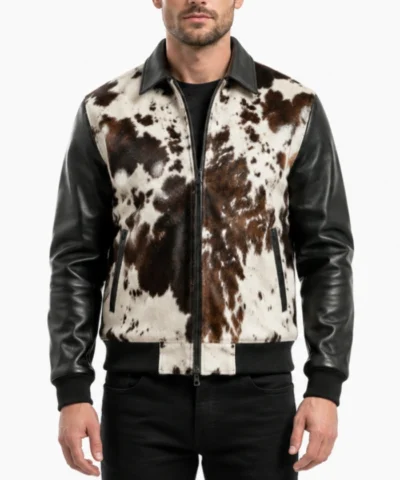
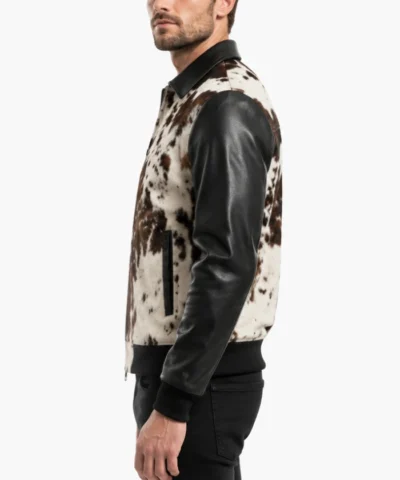
If you’re choosing a Nappa leather jacket or accessory, let the material do the talking. Keep the rest of the look clean, simple, and well-fitted, and the leather will carry the outfit without any extra effort.
FAQs
A: It is, yes. “Nappa” is a real leather and is typically used to denote a soft, supple, fine finish, not a fake.
A: So it is softer and more polished and shows scratches more easily than the harder leathers. But if you take care of it, it may look fantastic for a long time.
A: Alright. It’s a terrific choice for coats because it’s soft, flexible and incredibly comfortable to wear.
Explore Our Collection