
How To Weather A Leather Jacket?
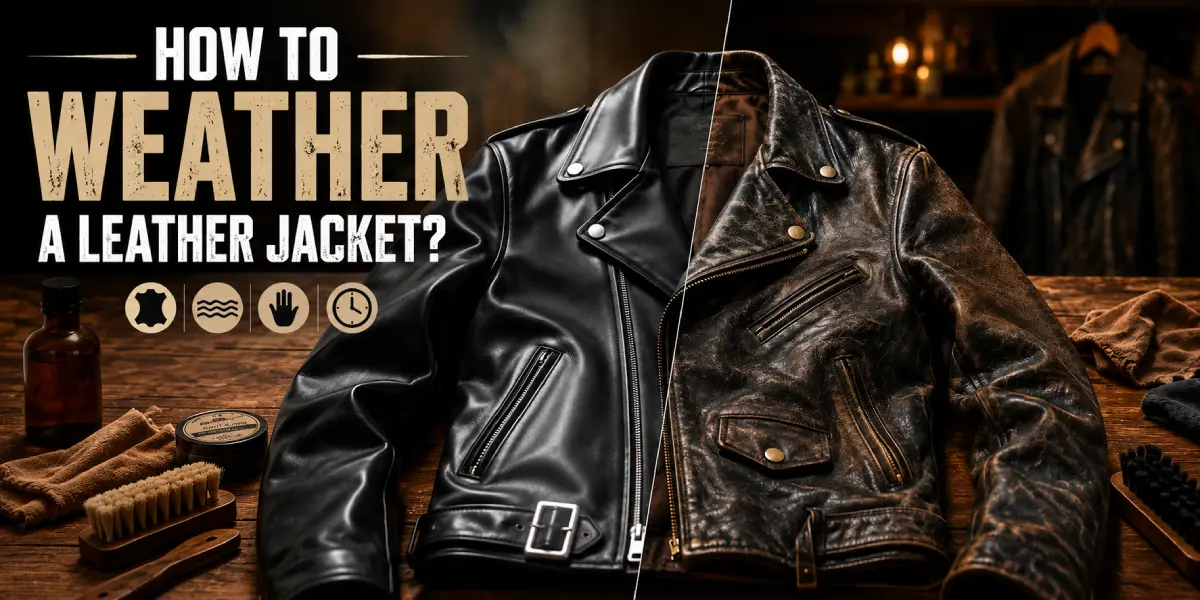
Table of Contents
So you finally bought that perfect leather jacket and now it looks way too stiff and shiny like something from a mannequin display at the mall. We have all been there staring at ourselves in the mirror and realizing our brand new jacket has zero personality.
The good news is that you can actually fix this problem yourself without spending a fortune or waiting ten years for natural wear to kick in. Learning how to weather leather jacket is honestly one of the most satisfying skills you can pick up as a jacket owner. It turns that stiff awkward piece into something that looks like it has stories to tell and adventures behind it. Trust me once you figure out how to weather leather jacket properly you will never look at a shiny new jacket the same way again. This process is not complicated but it does require some patience and the right techniques to get that lived in look you actually want.
What Weathering Actually Means
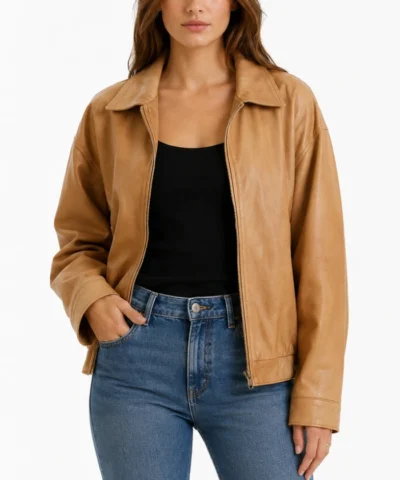
Before we get into the actual steps let us talk about what weathering leather jacket really means because it is not just about making your jacket look old and beat up. Weathering is about creating character and depth that makes the leather feel like it belongs on your body. You want to soften the material, add some subtle color variation and create creases in all the right places where your arms naturally bend.
How to weather leather is all about replicating those natural wear patterns that take years to develop on their own. The goal is not to destroy your jacket but to make it look like you have been wearing it forever, even if you just bought it last week. When you get this right, your jacket will instantly look cooler and more authentic than any brand new piece straight off the rack. The transformation is honestly pretty amazing to watch happen.
Distressing Your Black Jacket
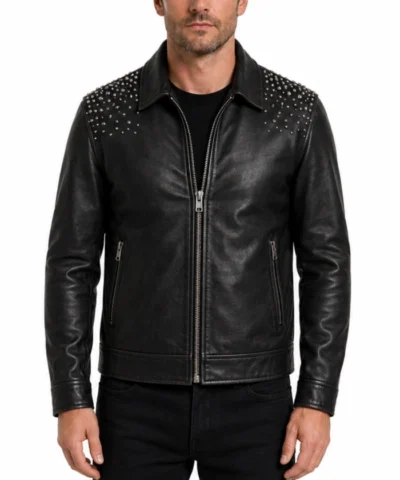
Now let us get into the actual techniques, starting with How To Distress A Black Leather Jacket, because black leather is probably the most common type of leather people want to weather. Sandpaper is your best friend here, but you need to use it carefully and with the right grit to avoid ruining your jacket completely. Start with a finer grit like 220 to gently scuff the high points like shoulders, elbows and pockets where natural wear would happen.
You want to go slow and check your progress often because you can always take more off, but you cannot put it back on. Distress Black Leather Jackets requires a light touch and patience more than anything else. Focus on the areas that would naturally rub against things when you move or sit down. The edges of pockets and the ends of sleeves are perfect places to start because they would naturally wear down over time with regular use.
Using Alcohol For Weathering
Rubbing alcohol is another powerful tool in your weathering arsenal that works differently than sandpaper. You can apply it with a cloth or spray it on lightly to remove some of the top dye layer and create that faded uneven look. This technique is especially effective for distressing leather jacket work because it creates natural looking color variations that sanding alone cannot achieve.
Just be careful not to soak the leather because too much alcohol can actually dry it out and cause cracking instead of just gentle weathering. Work in small sections and wipe the alcohol on and off quickly to control how much color you are removing. How to distress leather with alcohol takes some practice to get right but the results are worth the effort. The key is building up layers slowly rather than trying to do everything in one aggressive session.
Creating Natural Creases
Creases give a leather jacket the authentic worn-in look that many people love. You can encourage natural creasing by wearing the jacket regularly and moving naturally throughout the day. Areas such as the elbows and sleeves will gradually develop character over time. While some people try to speed up the process, the most realistic results come from consistent wear and proper leather care. In drier climates, leather may age differently, but regular conditioning is important to keep it supple and prevent it from drying out.
The Mens Leather Jackets In Las Vegas scene really appreciates this kind of attention to detail because the desert climate actually helps with natural weathering too.
Using Water For Weathering
Water is another surprisingly effective tool for weathering leather when used the right way. You can lightly dampen the leather and then work it with your hands to soften the fibers and create more flexibility. This technique works really well for Mens Leather Jackets In Las Vegas because the dry climate helps the water evaporate and set the new shape of the leather. Just be careful not to soak the jacket completely because that can cause water stains and damage if you are not careful. Lightly misting the areas you want to soften and then wearing the jacket while it dries is a classic technique that works great. The water helps the leather fibers relax and mold to your body shape which is exactly what you want for that custom worn in feel. Always let the jacket dry naturally and never use heat to speed up the process because that can ruin the leather.
Choosing The Right Jacket Style
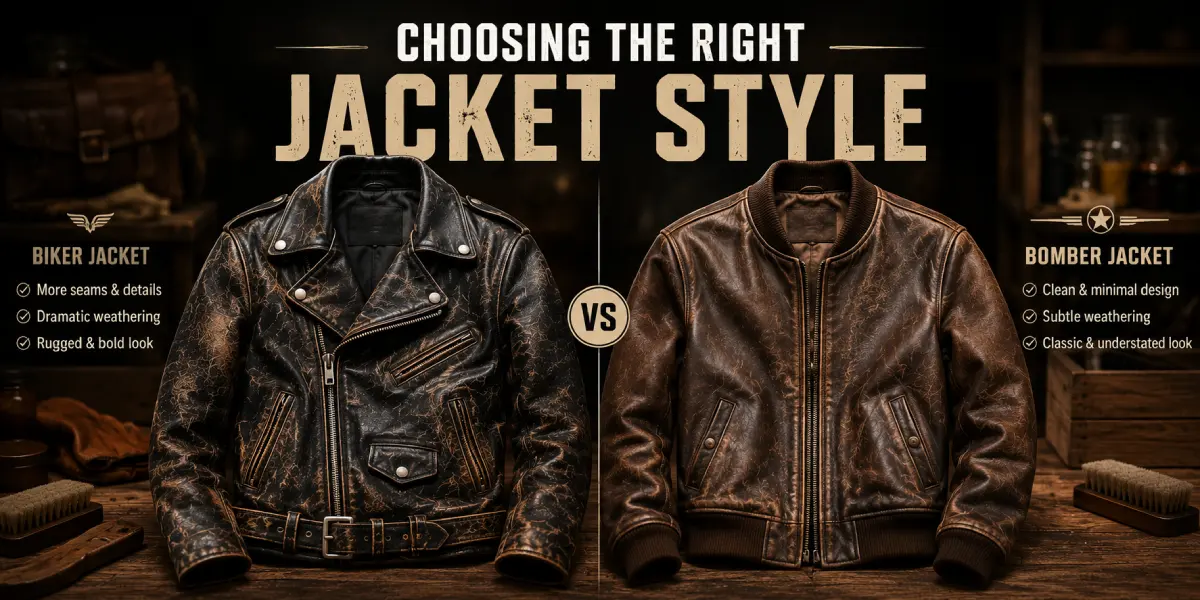
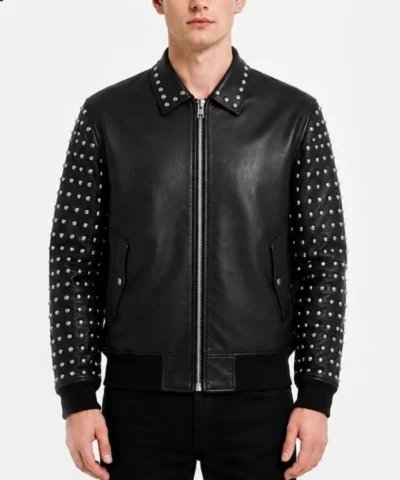
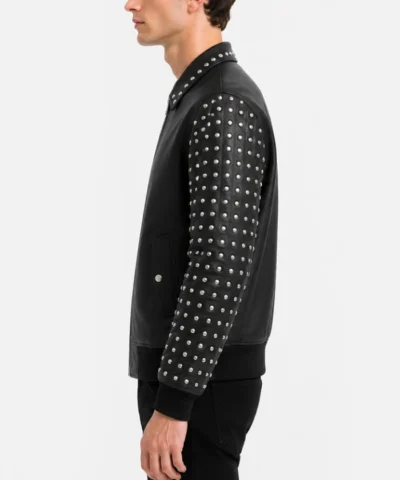
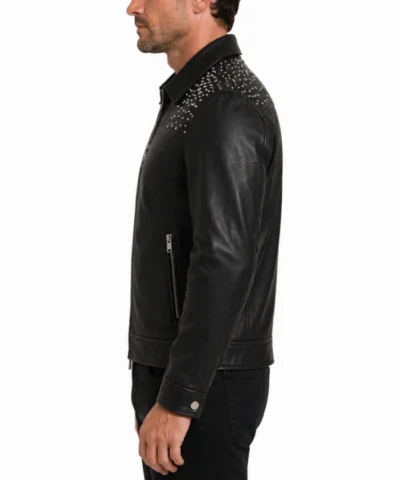
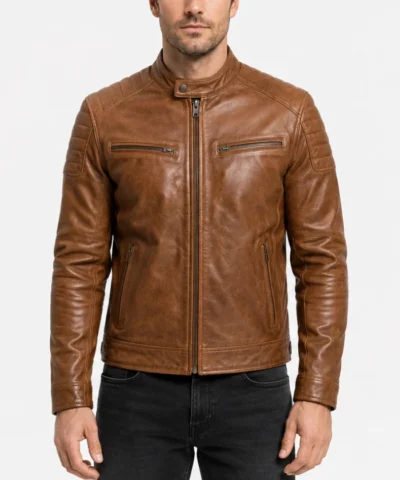
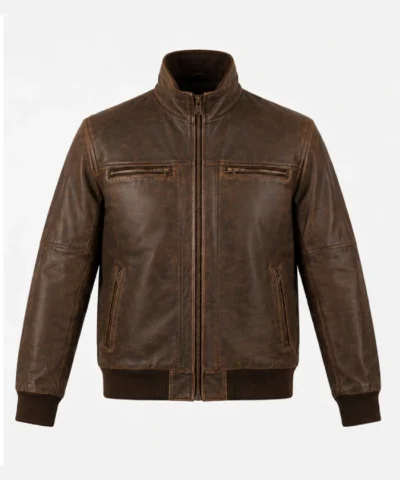
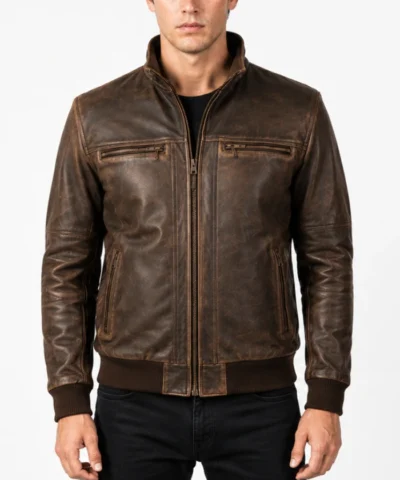
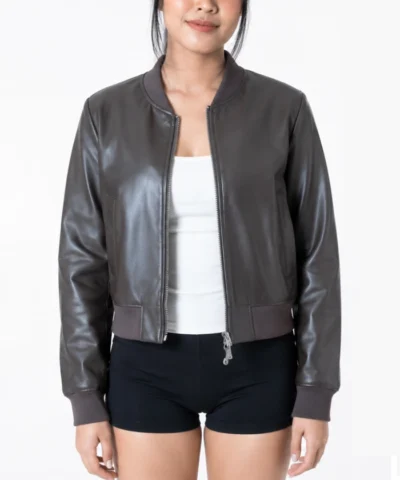
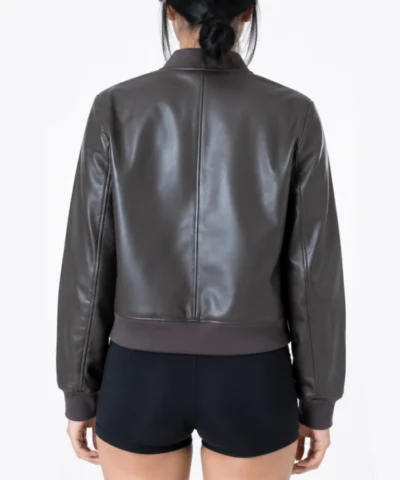
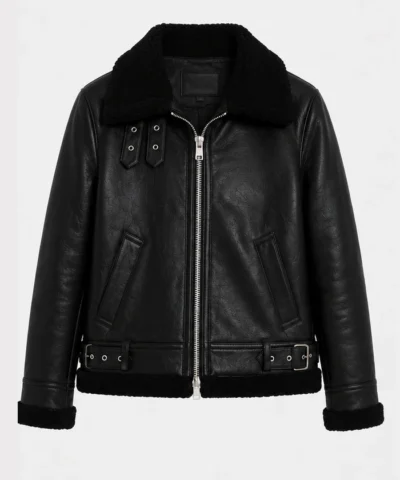
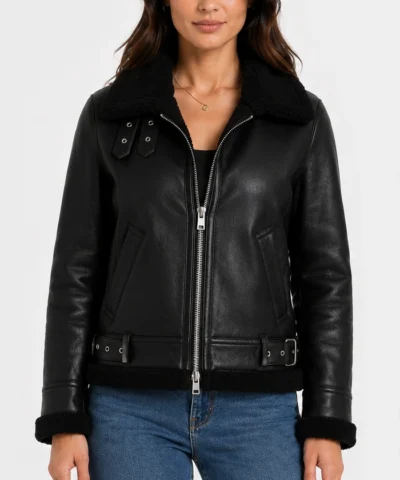
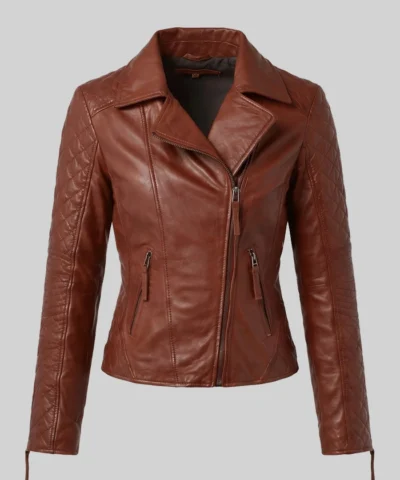
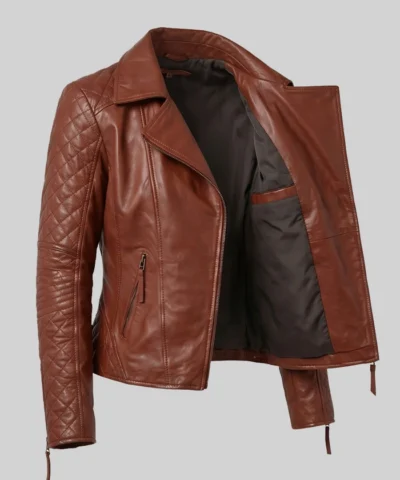
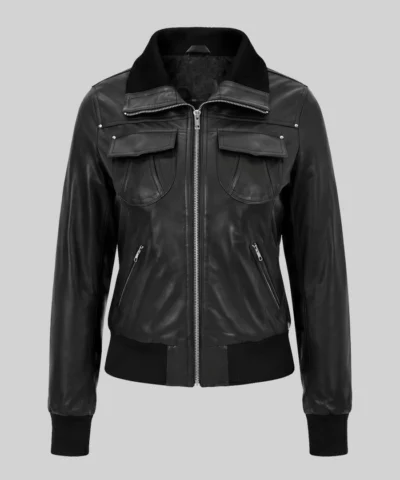
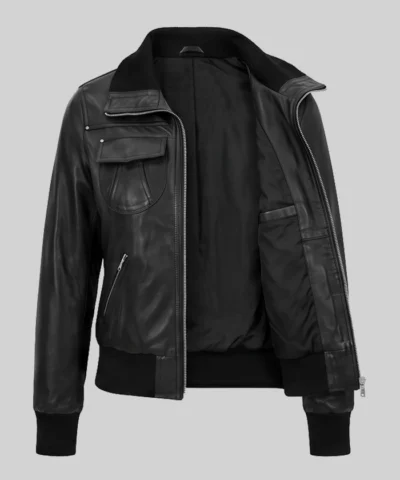
When you are planning to weather a leather jacket the style you start with actually matters quite a bit for the final result. A Biker Jacket vs Bomber Jacket comparison shows that biker jackets tend to weather more dramatically because they have more seams and details that catch wear. Bombers are simpler and more uniform which means the weathering is more subtle and understated. Your choice really depends on the look you are going for and how dramatic you want the weathering to be. Biker jackets look amazing with heavy distressing because the hardware and zippers add to the rugged vibe. Bombers look better with lighter weathering that just softens the overall appearance without making it look too beat up. Both styles can look incredible when weathered properly but they require slightly different approaches to get the best results.
Finishing Touches For Your Jacket
Once you have done all the distressing and softening work it is time to think about the final details that really sell the weathered look. Adding some Distressed Leather Jackets style details like slightly worn hardware or faded stitching can take your jacket to the next level. You can carefully scuff up zipper pulls and buttons with sandpaper to make them look older and more used. Conditioning the leather after all this work is also crucial because all that sanding and treatment can dry out the material. A good leather conditioner will restore moisture and keep your jacket looking great for years to come. The combination of physical distressing plus proper conditioning is the secret to making your jacket look naturally aged rather than artificially destroyed. This is the step that separates amateur weathering from professional looking results.
Taking Care Of Your Weathered Jacket
After you have put in all this work to weather your jacket you definitely want to keep it looking good for the long haul. Regular conditioning is even more important for weathered jackets because you have removed some of the protective surface layer during the distressing process. You should also be mindful of how you store your jacket and avoid leaving it in direct sunlight for long periods which can cause fading and drying.
The great thing about a weathered jacket is that it actually looks better with minor imperfections and small marks that would ruin a pristine jacket. You can relax and actually wear your jacket without worrying about every little scuff or scratch. Our brand Las Vegas Jacket specializes in creating jackets that look like they have been through adventures and we know a thing or two about making leather look incredible. Just remember that proper how to weather leather jacket techniques combined with good maintenance will keep your jacket looking amazing for decades to come.
Explore Our Collection